
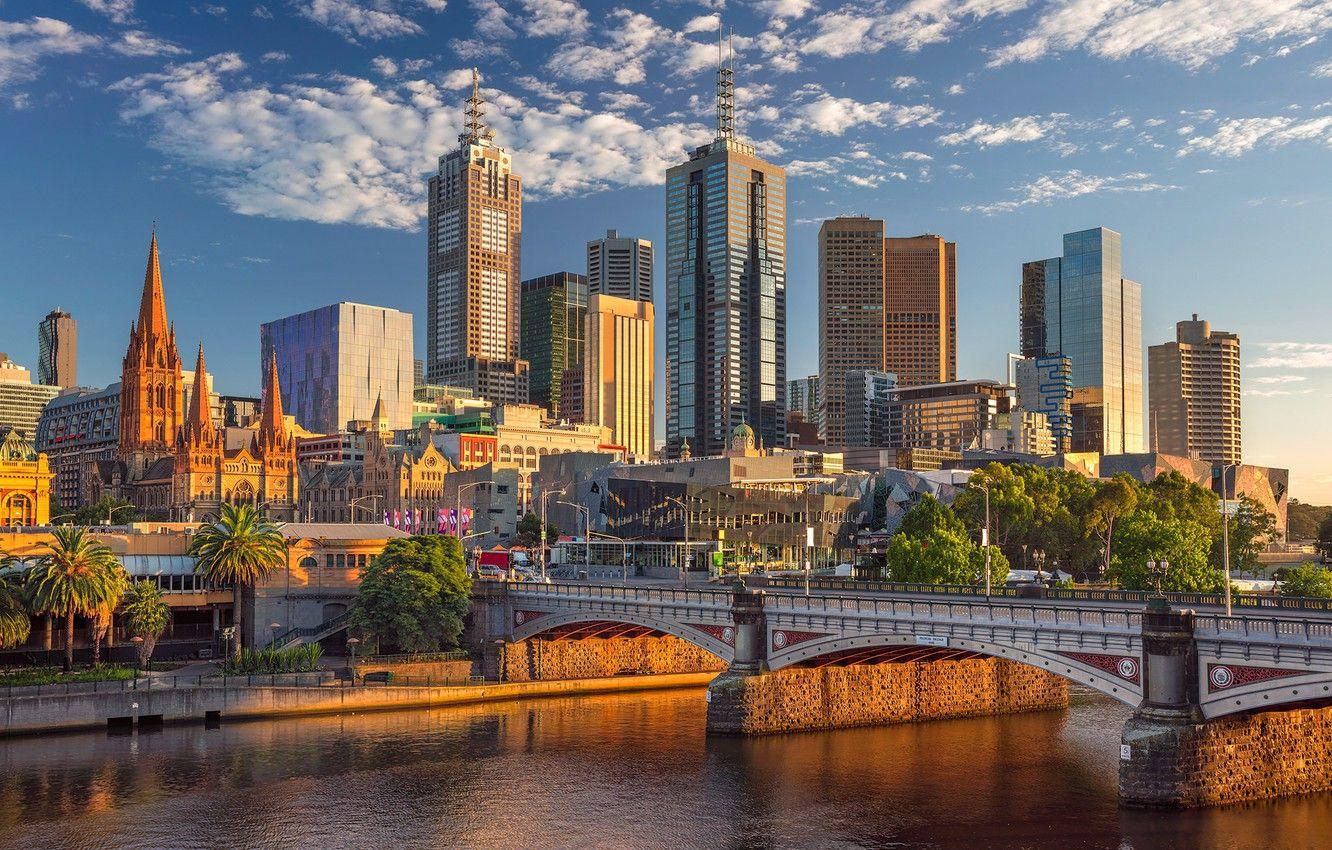
As 2025 draws to an end, Melbourne’s apartment and rental market continues to experience one of its most dynamic periods in recent years. Demand from renters remains exceptionally strong, vacancy rates are low, and rental prices continue to rise, all against the backdrop of historically limited new apartment supply.
For renters, this means heightened competition. For landlords and investors, 2025 has delivered some of the strongest rental returns in more than a decade.
Here’s the definitive end-of-year update on Melbourne’s apartment and rental sector — tailored for those looking to lease, buy, invest, or stay informed.
Melbourne’s Rental Market: Low Vacancy and Rising Demand
The rental market has been the standout performer throughout 2025.
Key Rental Insights (Late-2025 Snapshot)
Inner-Melbourne vacancy rate: ~2.8%
Median rent for apartments: ~$600/week
Annual rental growth: ~4–5%
Most in-demand stock: 1- and 2-bedroom apartments in lifestyle and education precincts
This is a landlord-friendly market characterised by persistent competition. Students, young professionals, and inner-city workers are driving demand, especially in suburbs like Carlton, Southbank, Fitzroy, Richmond, and Docklands.
Why demand is surging
Rising population and strong migration numbers
Returning international students
More people working near or in the CBD again
Limited available rental stock
For property owners, the combination of low vacancy, strong demand, and rising rents has translated into higher yields and reduced downtime between tenancies.
Supply Shortage: The Biggest Driver of 2025 Rental Trends
One of the defining themes of 2025 has been the shortage of new apartment completions.
Industry data confirms that this year is tracking to record the lowest apartment supply since 2008, driven by:
Increased construction costs
Reduced developer margins
Financing challenges for large projects
Project cancellations and delays
Ongoing builder insolvencies
This supply imbalance is at the heart of rising rents. With fewer new apartments entering the market, existing properties — especially well-maintained, well-located apartments — are becoming increasingly valuable assets.
For investors, this environment often means:
Higher rental yields
Stronger tenant retention
Greater long-term value prospects as supply recovers slowly
Apartment Prices: Stable, Affordable, and Opportunity-Rich
Despite robust rental demand, Melbourne’s apartment prices have remained steady throughout most of 2025.
Price Overview
Inner-city apartment median: ~$597,000
Melbourne-wide apartment median: ~$610,000–$621,000
YoY price movement: Flat to slightly negative depending on the suburb
While houses have experienced more pronounced movements, apartment prices have held relatively firm. For owner-occupiers, first-home buyers, and investors, this stability has created a window of opportunity.
Where buyers are finding value
Southbank
Docklands
Brunswick East
Footscray
South Melbourne
These areas offer competitive entry prices and high rental demand — a compelling mix as yields strengthen across the city.
Days on Market: Apartments Still Selling Steadily
Across Melbourne, properties are spending an average of around 32 days on market, an improvement from 2024.
Well-presented apartments with strong amenities — pools, gyms, communal workspaces — and reasonable owners corporation fees tend to attract faster offers.
Buyers remain selective, but the pace of apartment sales shows solid confidence in the sector as 2025 winds down.
What This Means for Renters, Investors & Landlords Going into 2026
For Renters
Expect strong competition for well-located properties
Consider looking slightly beyond the CBD for better value
Start applications early and prepare documentation in advance
For Investors
Melbourne’s rental market is positioned for continued strength into 2026
Low vacancy rates and restricted supply support rising yields
Stable prices offer attractive buying opportunities
Long-term fundamentals are favourable, especially near transport and university hubs
For Landlords
Higher demand and limited supply = improved rental income
Longer tenancy durations are likely
Strategic upgrades (carpet, appliances, paint) can lift weekly rent significantly
A Market Defined by Strong Rental Growth and Rare Buying Opportunities
As 2025 comes to an end, Melbourne’s apartment and rental market stands at an interesting intersection:
Renting remains competitive
Yields are rising
Supply remains historically low
Prices are stable and accessible
This balance has created one of the most favourable environments for investors and landlords in years — while offering renters solid reason to act quickly when they find the right property.
If you're looking to buy, lease, or invest before the 2026 market shifts, now is an excellent time to explore opportunities.


