
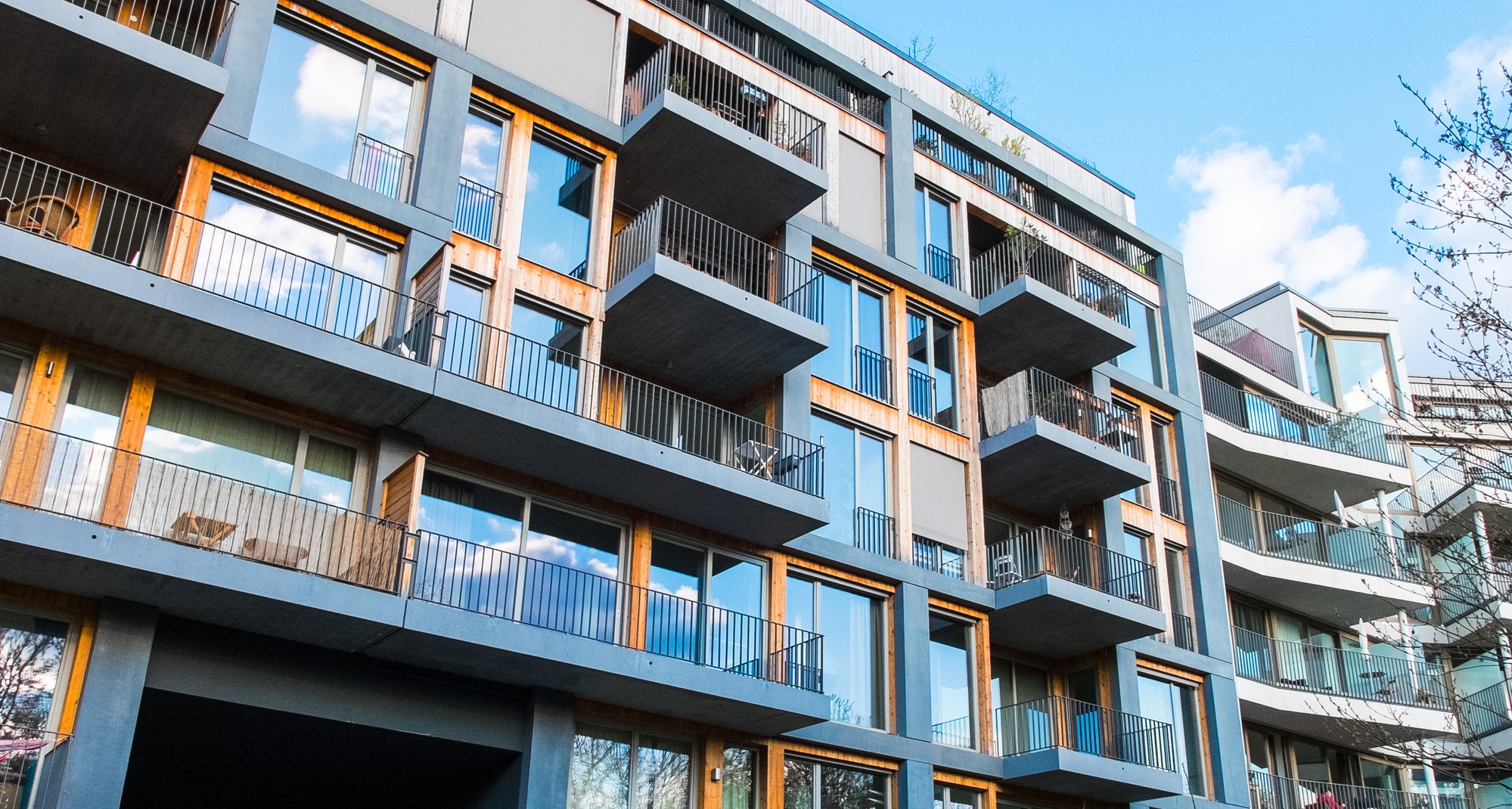
Australia’s Build‑to‑Rent (BTR) sector is evolving rapidly as policymakers look to improve rental supply, boost housing affordability, and attract institutional capital into long‑term rental housing. To support this growth, targeted tax incentives, land tax concessions and regulatory requirements have been introduced at both federal and state levels. These aim to improve investment returns and provide certainty for developers and investors willing to commit to rental‑focused delivery models.
Here’s a clear breakdown of the key incentives, the eligibility criteria to access them, and what it means for BTR projects in Australia.
Why Australia in encouraging Build-to-Rent?
The BTR model, where residential buildings are designed, built, and retained solely for rental rather than sale, offers long‑term renters greater security and choice, while providing investors a stable income stream. However, this model historically faced barriers like higher upfront costs and uncertain return horizons.
To make BTR more attractive, governments have introduced incentives to:
Federal Tax Incentives for BTR Developments
Under the revised tax framework, eligible BTR developments can claim accelerated capital works deductions at 4% per year, up from the standard 2.5%. This effectively shortens the depreciation period on construction costs from 40 years to around 25 years, improving the early‑stage tax profile for investors.
What this means:
Developers and funds can reduce taxable income sooner, improving cashflows in early years of asset life.
For income generated by BTR properties owned through managed investment trusts (MITs), the withholding tax rate on eligible fund payments — including rental income and capital gains attributable to the development — is reduced from 30% to 15% for foreign resident investors.
Why this matters:
Lower withholding rates make Australia’s BTR market more competitive for overseas capital, an important source of institutional investment.
In exchange for accessing these incentives, developments must maintain eligibility for a 15‑year compliance period. If a property ceases to meet criteria during that period, a misuse tax may apply to claw back some of the benefits.
This integrity measure ensures that incentives deliver genuine long‑term rental supply, not short‑term tax arbitrage.
Core Federal Eligibility Criteria
To qualify for the federal tax incentives, a BTR development must meet strict criteria:
State- Level Incentives and Concessions
Federal tax measures are complemented by state incentives that make BTR more attractive at the land and planning level.
Victoria
Eligibility highlights include:
These concessions are designed to significantly reduce the holding costs for investors and support longer investment horizons.
What it means for Investors and Developers
Australia’s current policy settings for BTR create a strong incentive environment by:
However, the benefits are contingent on meeting long‑term operating requirements and delivering real rental housing over many years. Incentives are not one‑off tax breaks — they require active compliance and a clear long‑term rental strategy.
The Australian BTR policy framework represents a significant shift toward supporting institutional‑grade rental housing. By combining federal tax concessions with state land tax benefits, policymakers have crafted a package that rewards long‑term investment in rental supply.
For investors and developers, understanding these incentives, and structuring projects to meet the eligibility criteria, will be critical for unlocking value and ensuring compliance through the 15‑year incentive period.


