
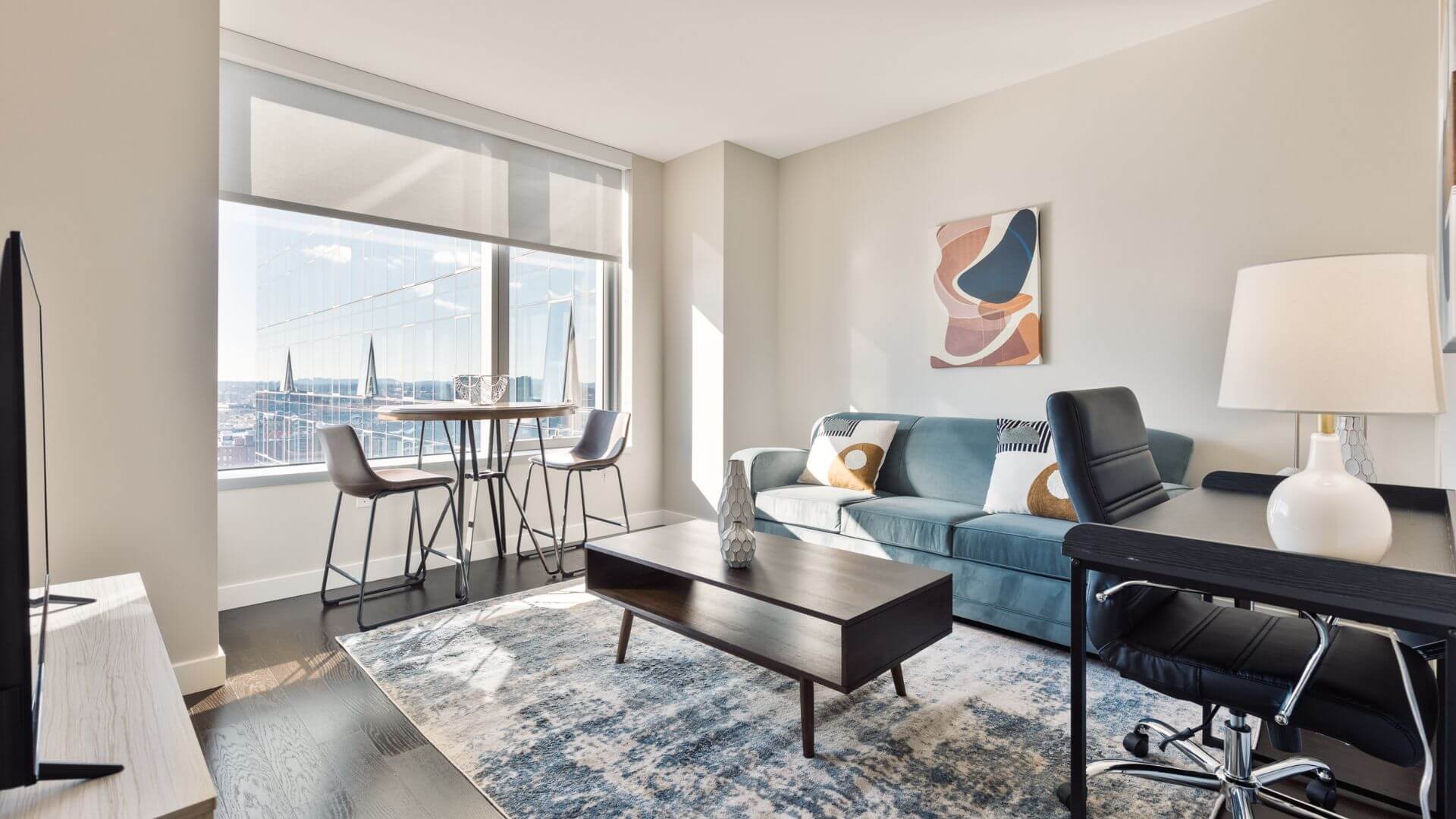
If you own an investment property, one of the decisions you may face is whether to rent it out furnished or unfurnished.
There isn't a one-size-fits-all answer. The right approach depends on the property, the location, the type of tenant you're trying to attract and, ultimately, the numbers.
A beautifully furnished property can certainly stand out from the competition. But furnishing a property also comes with additional costs, responsibility and ongoing management.
So, is it worth it?
The first question we would ask is: who is the property likely to appeal to?
A furnished apartment in a CBD or inner-city location may suit professionals, corporate tenants, students or people relocating for work. A larger family home in a suburban area, on the other hand, will often have stronger appeal as an unfurnished property. Many families already have their own furniture and may be looking for a longer-term home they can make their own.
Think about the likely tenant before you think about the furniture.
Location matters. Some areas have a strong market for furnished rentals, while in others, most tenants expect an unfurnished property.
Before spending thousands of dollars on furniture, look at what comparable properties are actually offering. Are there many furnished properties nearby? Are they achieving a meaningful rental premium? How quickly are they leasing? And what type of tenants are applying?
The goal isn't simply to make your property look better. It's to make a decision that makes sense for your investment.
It can be tempting to assume that a furnished property will automatically attract higher rent. That's not always the case.
Furniture needs to be purchased, delivered and eventually replaced. Items can become damaged or worn, and you'll need to consider the time and cost involved in managing those items throughout the tenancy. There may also be periods where furniture needs to be stored, replaced or removed between tenants.
So rather than looking only at the potential additional rent, consider the overall return after the additional costs and responsibilities.
If you do decide to furnish your investment property, think about durability rather than simply appearance. Investment-property furniture needs to withstand regular use. A beautiful, inexpensive dining table might look great when the property is first advertised, but if it isn't designed for regular use, replacing it every couple of years can quickly become expensive. The same applies to sofas, beds, appliances, outdoor furniture and other household items.
You don't necessarily need to buy the most expensive option. You need to buy appropriately for the property and the type of tenant you're targeting.
A furnished rental doesn't need to look like a display home. In many cases, simple, neutral and practical furniture works best. Give tenants enough to live comfortably without filling every room with items that may not suit their needs. And remember that storage is important. Tenants still need somewhere to put their own belongings.
There's another factor landlords sometimes overlook: furnished properties require more to manage. When something breaks or goes missing, you may need to determine whether it's normal wear and tear, accidental damage or something else.
You also need an accurate record of what is provided at the beginning of the tenancy and its condition. A detailed inventory and condition report becomes particularly important when a property is furnished.
Good documentation can help avoid confusion at the end of a tenancy and gives everyone a clear understanding of what was provided.
For some properties, absolutely. For others, an unfurnished property may be the better investment strategy.
The decision should come down to the property, the location, the likely tenant and the numbers — not simply whether furnished properties look more appealing in an online listing.
If you're considering furnishing an investment property, it's worth speaking with your property manager before making the investment. They can give you insight into what tenants are currently looking for in your particular area, how comparable properties are performing and whether furnishing is likely to add genuine value.
Because ultimately, the best investment property isn't necessarily the one that looks the best. It's the one that makes sense for the market you're renting it in.


