
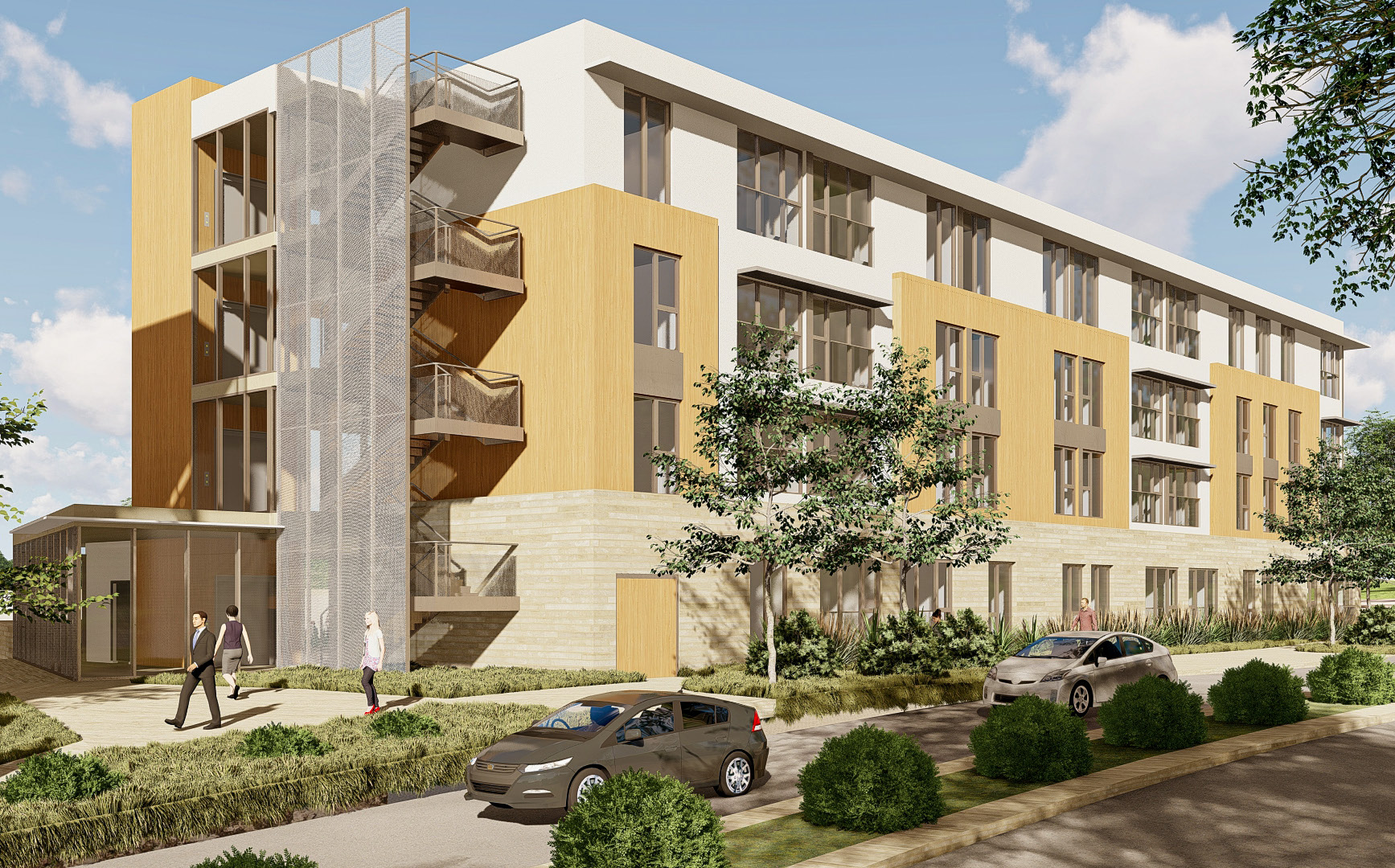
Affordable housing remains one of Australia’s most pressing social and economic issues. While governments and community organizations continue to explore solutions, demand continues to outpace supply, leaving many Australians struggling to find secure, reasonably priced homes. Understanding the challenges facing the sector is essential for policymakers, investors, and communities alike.
1. Rising Property Prices
In recent years, Australia has seen significant increases in property prices across both major cities and regional areas. While this has benefited homeowners and investors, it has made entry-level housing increasingly unaffordable for low and moderate income households. The gap between wages and housing costs continues to widen, placing additional pressure on families and individuals seeking rental accommodation or first-time home ownership.
2. Limited supply of available units
One of the most significant challenges is the limited supply of affordable housing stock. Developers often prioritize high-margin luxury or mid-market projects, leaving fewer opportunities for affordable housing. The slow pace of new development, combined with bureaucratic hurdles, further exacerbates the shortage. In many areas, waiting lists for social housing are growing, highlighting the gap between need and availability.
3. Funding and Investment Constraints
Affordable housing projects often rely on a mix of government subsidies, philanthropic funding, and private investment. Securing sufficient funding can be challenging, especially in times of economic uncertainty. Investors may be hesitant to engage in projects with lower financial returns compared to traditional residential developments, which can limit the scope and scale of new affordable housing initiatives.
4. Urban Planning and zoning limitations
Planning regulations and zoning restrictions can slow the delivery of affordable housing. Many local councils restrict higher-density developments or impose lengthy approval processes, which can increase costs and delay projects. Additionally, affordable housing is sometimes met with community opposition, making it difficult to find suitable locations for new developments.
5. Socioeconomic challenges
Affordable housing is not just about physical dwellings - it is also about supporting communities. Residents often face challenges related to transportation, employment access, and social services. Without adequate infrastructure and support, affordable housing developments may fail to provide long-term stability for residents.
6. Role of short-stay rentals
The rise of short-stay rental platforms has also impacted affordability. Many properties that could be used for long-term rental are instead offered as holiday or short-term rentals, reducing the supply available to local residents and pushing up rental prices.
Looking ahead
Addressing Australia’s affordable housing challenges requires collaboration between government, private sector, and community organizations. Solutions may include increasing incentives for affordable housing development, streamlining planning approvals, supporting mixed-use developments, and implementing policies that balance short-stay rentals with long-term housing needs.
Ultimately, affordable housing is more than just a market issue. It is a social imperative. Ensuring access to secure, affordable homes benefits individuals, strengthens communities, and supports broader economic stability.
At BTR Group, we work with a wide network of partners to provide accessible and affordable housing solutions across Sydney and Melbourne. If you’re seeking housing options or are interested in partnering to support affordable accommodation, our team is here to help.


